Underpromotion
When a Pawn finally reaches the eighth rank, most players immediately promote it to a Queen without thinking twice. But what happens when promoting to the most powerful piece on the board walks straight into a Fork, misses a forced Checkmate, or lets a defeated opponent off the hook with a Stalemate?
This week, we are looking at Underpromotion, and how masters know when to pass up a Queen in favor of a Knight, Rook, or Bishop to seize a tactical win or prevent a defensive Swindle.
Video Guide: https://youtu.be/IeIhdWHSD3k
Chess Study: https://lichess.org/study/LcPWZU8c
The Tactical Knight Promotion
Because the Queen combines the movement of the Rook and the Bishop, there is only one piece she cannot imitate: the Knight. Promoting to a Knight is the most common form of Underpromotion because an immediate L-shaped jump can deliver a Check or a Royal Fork that the Queen cannot escape.
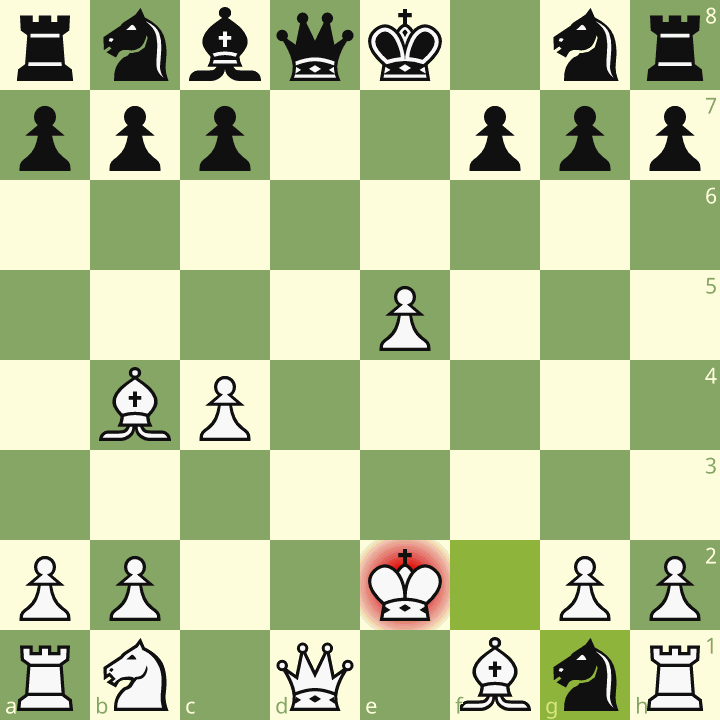
Look at the famous Lasker Trap in the Albin Countergambit. When White gets greedy and tries to win a piece early in the opening, Black’s F Pawn crashes through to the second rank while White’s King is stuck in the center.
How did Black use an Underpromotion on move 7 to win material and blow open the game before White can even develop?
White’s worst error was 6.Bxb4. Walk the board back a move and find a better path for white.
https://lichess.org/study/LcPWZU8c/m3Hbq35Y#11
Tactical Underpromotion isn’t just an opening trick. It’s been known to decide Grandmaster games by turning an apparently balanced middle game into a sudden, sharp endgame. Look at this position from Fontaine - Vachier-Lagrave (2007) 0-1.
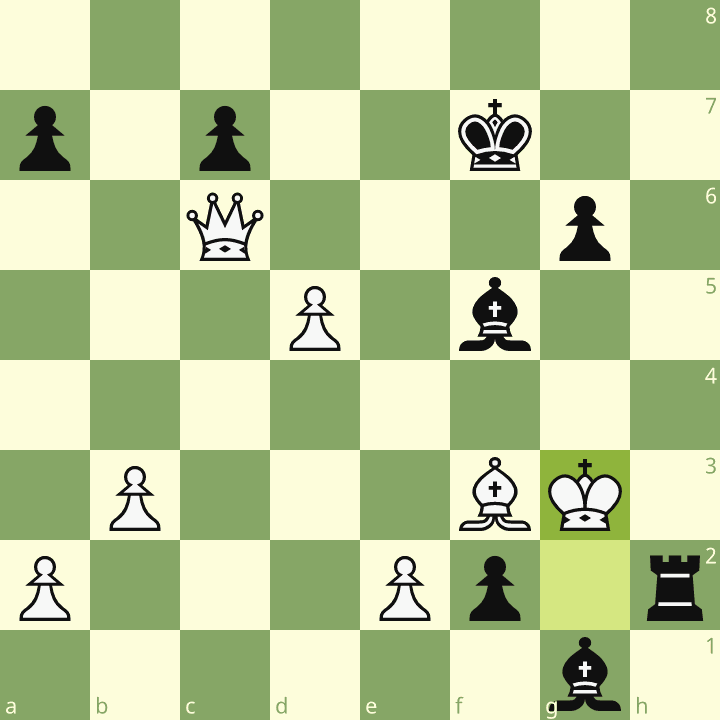
Maxime Vachier-Lagrave has pushed his passed F Pawn all the way to f2, and Fontain seems to have the promotion square covered.
See if you can find how Black used an Underpromotion at move 35 to fork White’s pieces and force a resignation.
This attack depended on a critical, but subtle error from White. Step back in the game and see if you can find Fontaine’s blunder.
https://lichess.org/study/LcPWZU8c/q23Bz6y2#62
Dodging a Knight with a Knight
Sometimes promoting to a Queen doesn’t fail because you need a Check, but because it becomes an immediate target for your opponent.
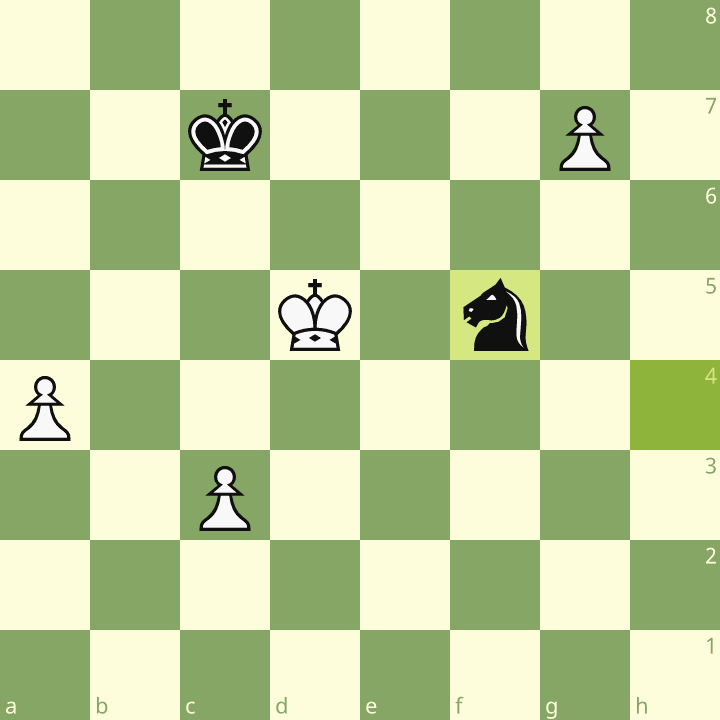
Consider the legendary endgame in Zurakhov - Koblents (1956) 1-0. Vladlen Zurakhov has pushed his G Pawn to the seventh rank on move 57, and promoting to a Queen looks automatic. However, Alexander Koblents has positioned his Knight on f5 waiting to pounce!
Why does promoting to a Queen fail on move 57, and how did Zurakhov use two separate Underpromotion moves (at move 57 and move 79) to win this endgame?
Rook & Bishop Promotions
Why would you ever promote to a Rook or a Bishop when a Queen moves along the exact same ranks, files, and diagonals? The answer is Stalemate. When your opponent’s King is boxed into the edge of the board, a Queen’s extra attack paths can accidentally take away your opponent’s final legal move, turning your hard-earned win into an instant draw.
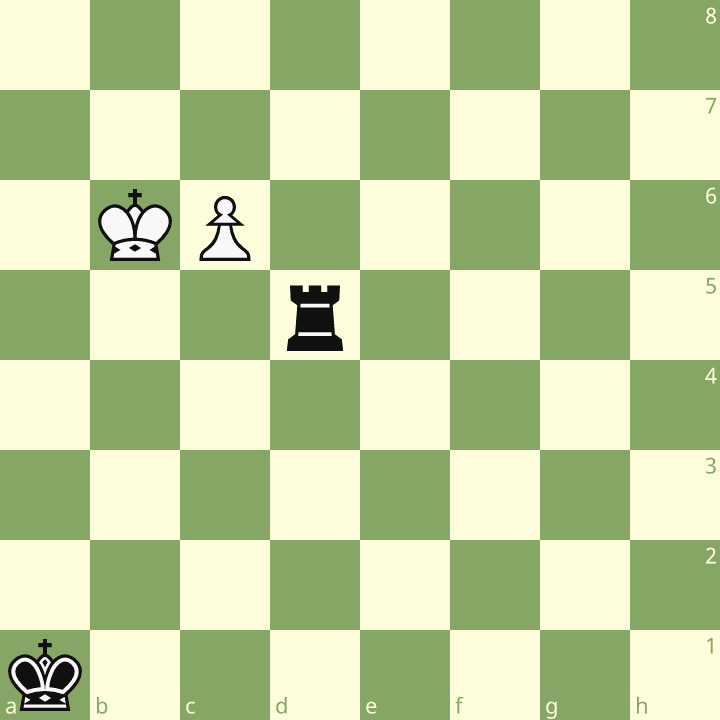
The most famous example in chess history is the Saavedra position (1895). The C Pawn is ready to promote… but Look closely at Black’s Rook on d4 and King on a1. What trap has Black set if you promote to a Queen, and how does an Underpromotion to a Rook turn the tables to force checkmate?
Practice
Train your eye to spot Knight forks and stalemate dodges in the Lichess Underpromotion Puzzles collection.
Practice pushing passed pawns to the eighth rank in the Lichess Promotion Puzzles collection.
Set up the Saavedra position against the Lichess or Chess.com engine and practice converting the endgame without allowing a stalemate swindle.
Chess Source Notes