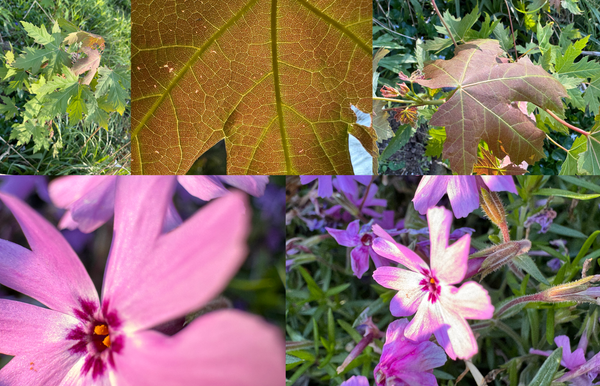
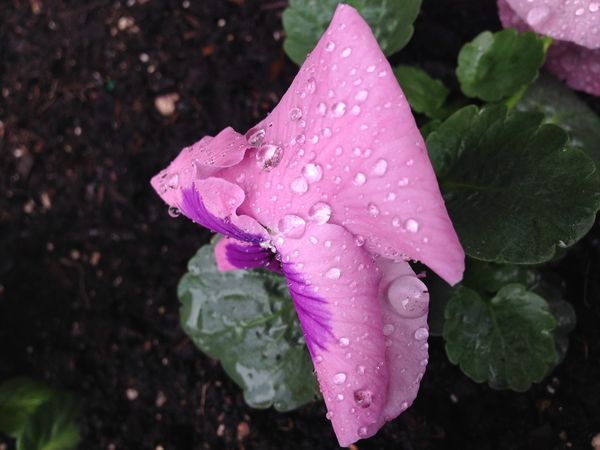
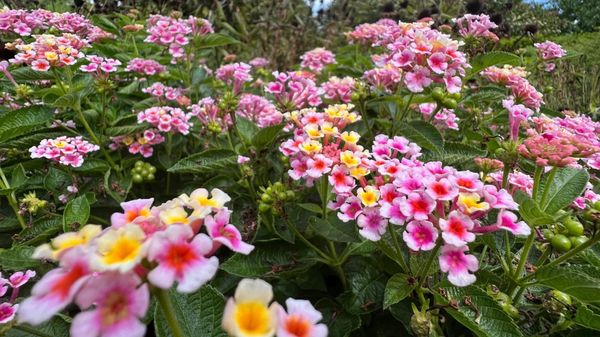
Harvesting Your Best Shots Workshop Recap
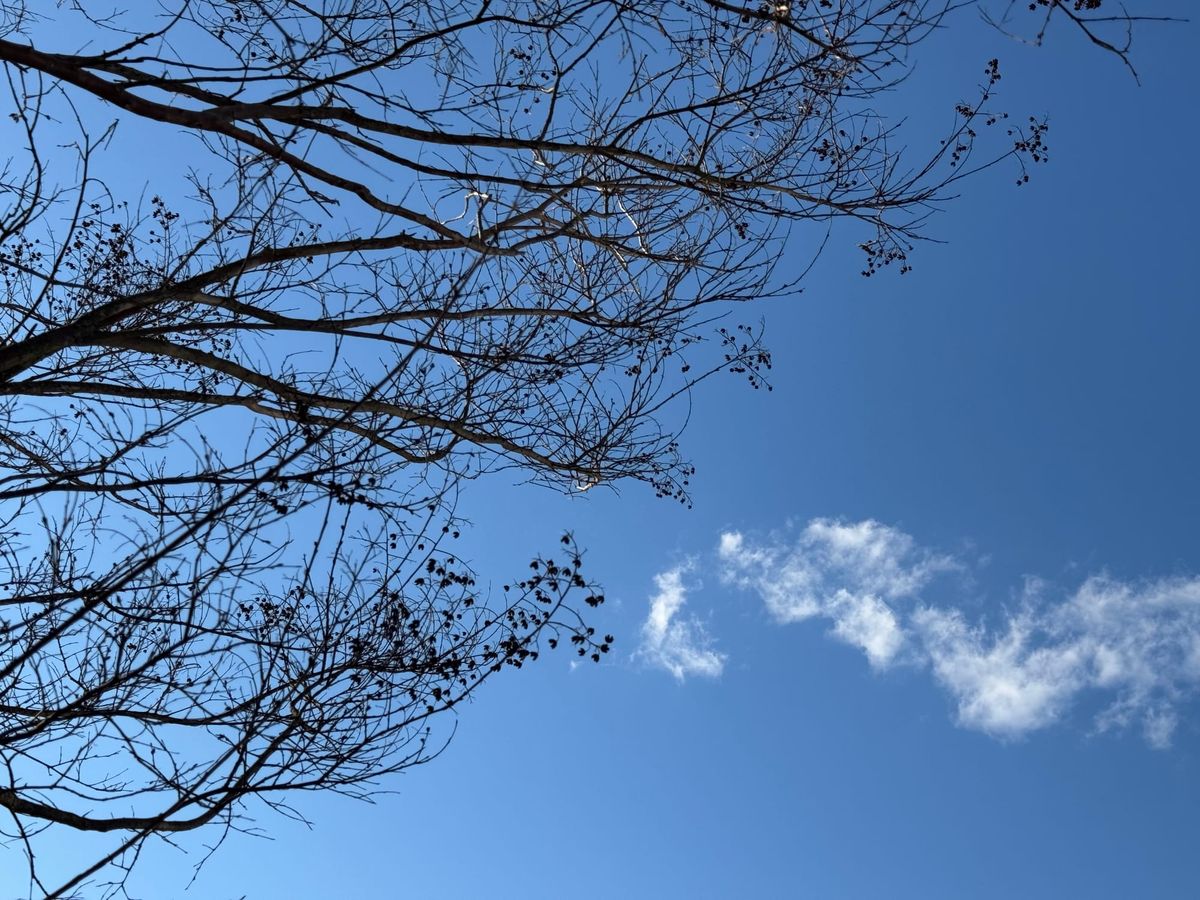
Thanks to everyone who joined us Monday for the third and final garden photography workshop of this series. We covered a lot in 90-plus minutes focused on the Federated Garden Clubs of Maryland competition categories, a self-check rubric for assessing your own work, and a round of feedback on the photos you all submitted.
This recap is here for you to refer back to when you're getting ready to submit to a competition, or just trying to take a better picture in your own backyard.
The Four Competition Categories
If you're planning to enter the Federated Garden Clubs of Maryland competition, here's what each category is asking for and what tends to win:
Annette Richter Award.
Native vine, shrub, or flower. Close-up shots are preferred. Show the specific detail or texture that makes the plant worth looking at.
District Director's Award.
Beauty of flower, fruit, or leaf formations from annual plants (this category also allows trees, shrubs, birds, and insects). A busy category. Close-ups still tend to do better here, though you have more flexibility on subject.
Harry C. Reynolds Award.
Overall silhouette of a tree or shrub. Read that phrase carefully: overall silhouette. The judges want the shape of the whole tree, not just a beautiful cluster of branches. We looked at several photos that were gorgeous as photographs but wouldn't qualify in this category because they only captured part of the tree.
Mary F. Fitzpatrick Award
Artistic flower arranging. The arrangement matters, but so does how you photograph it. Your background can make or break the picture.
The Self-Check Rubric
I've attached the rubric again so you have it. The five categories I'd encourage you to assess your own photos against:
- Composition & Color: Is the subject placed with intent? Is the background clean? Are the colors true-to-life?
- Unique Perspective: Did you show something a passerby wouldn't have seen?
- Lighting: Is light being used with intention, not just whatever you got handed?
- Expression / Mood: Does the photo communicate "here is why this matters," not just "here is the subject"?
- Attention to Detail: Is anything in the frame that shouldn't be there? Is the focus sharp where it should be?
Final Takeaway: Aim for Good
This was the closing thought I want to repeat. When you're competing, your job isn't to swing for the fences and try to land in the Superior column on every category. That's where things get tricky, as Superior often comes down to taste, and a judge might not share yours.
Your job is to consistently land in Good, and to avoid the mistakes that drag a photo down to Acceptable or Unacceptable. That means:
- No price stickers, hoses, or your own legs in the shot
- No harsh shadow cutting the picture in half
- No blown-out highlights or muddy shadows
- The right subject for the category (a native plant for the native plant category, the whole tree for the silhouette category, etc.)
If you can consistently get into Good without those mistakes, you'll outperform the bulk of submissions. Then you can push toward Superior with unique angles, creative editing choices, and arresting moods, without tripping a judge's taste in the process.
Things Worth Remembering From the Photos We Looked At
Get close, then tap your subject. On an iPhone, tap where you want the focus to lock. That tells the camera what you care about and naturally blurs the rest.
Watch what's behind your subject. Same flower, same day, same garden, but if you reframe to remove the pond, the bag of sand, your own shadow, and the price tag, you've gone from a snapshot to a photograph. We saw this clearly in the daisy-pot sequence.
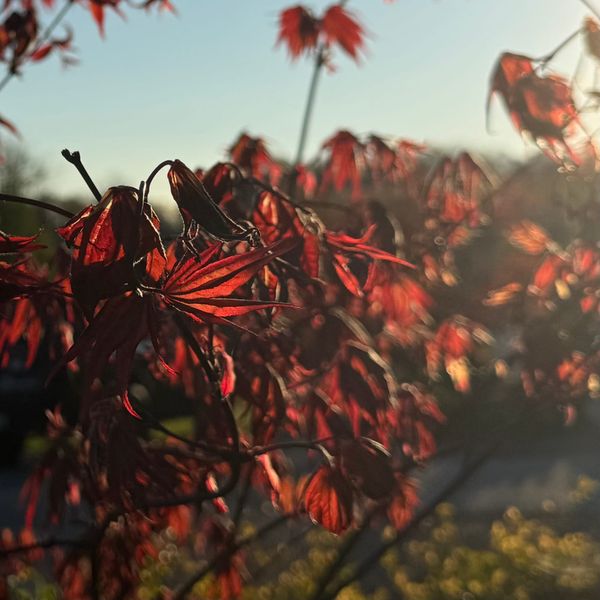
For silhouettes, the background must be brighter than the subject. Cloudy overcast skies and the hour before sunset (golden hour) are your friends. And the FGCM silhouette category wants the overall shape of the tree, so aim to frame for the whole thing.
For flower arrangements, crop ruthlessly. Multiple times in the workshop, cutting just the bottom of a frame transformed a "throw it out" picture into a real contender. The a beautiful arrangement poorly framed can lose out to a lesser arrangement which is well-captured.
Triangles guide the eye. When three subjects (or three colors, or three points of interest) form a triangle, the viewer's eyes follow them naturally. The creeping phlox photo most of you voted for worked partly because of a flower triangle plus a diagonal of foreground and background framing.
Camera & Phone Tools Worth Exploring
For those of you using iPhones (most of these have Samsung equivalents):
- Portrait mode
- Great for blurring backgrounds, but turn it off when it's grabbing the wrong thing in focus.
- Macro mode
- That little flower-pot icon at the bottom right. Strong background blur, but crops heavily. Toggle it off when you want a wider depth of field.
- Panorama mode
- Useful when you want to tell a wider story, like a stretch of flowers running across a hillside.
- Aspect ratios
- 1:1 (square), 4:3, 16:9, etc. This is a creative decision more than a technical one. A square crop can rescue an off-balance composition.
- 0.5x / 1x / 2x / 3x lenses
- The 0.5x wide-angle is a fun creative tool, but it bends edges. Use it intentionally. Zoom in if needed (2x, 3x) but remember that you're better off moving the camera than zooming it, when possible.
Editing Tools Worth Knowing
These are available in nearly every photo editor built into iPhone Photos, Google Photos, and the Windows photo app:
- Exposure: Overall brightness, but smarter than a simple slider.
- Highlights: Just the bright parts.
- Shadows: Just the dark parts.
- Black Point: How deep your darkest darks go. Nudge this up a hair for richer shadows.
- Clarity: Pulls down the milky, over-bright tones that show up when the sun hits your lens or the lens is slightly dirty.
- Vibrance: Like saturation, but smarter. It boosts the dull colors without overblowing the already-bright ones.
On Editing for Competition: The short answer: I'm not a judge, but the FGCM rules I read don't prohibit editing. That said, judges tend to gravitate toward photos that look natural. Heavy-handed processing reads as forced.
Thank You to everyone who submitted photos. I was wonderful to see how you look at your gardens and the world.
Happy photography!
~Linke