Equality
Because White starts with the first-move advantage, a primary goal for Black in the opening is to gain some sort of advantage on the board. But what happens when you don’t achieve equality, or worse, you fall behind?
This week, we are looking at how masters fight for Equality, both out of the opening and when rescuing bad positions using Dynamic Defense, Simplification, and the Swindle.
Video Guide:
Chess Study: https://lichess.org/study/cxhOccFB
Static vs. Dynamic Equality
There are two ways to neutralize White’s opening advantage:
Static Equality: Trading off pieces and locking pawn structures to force a symmetrical position.
Dynamic Equality: Accepting structural weaknesses or material deficits in exchange for fierce, active piece play.
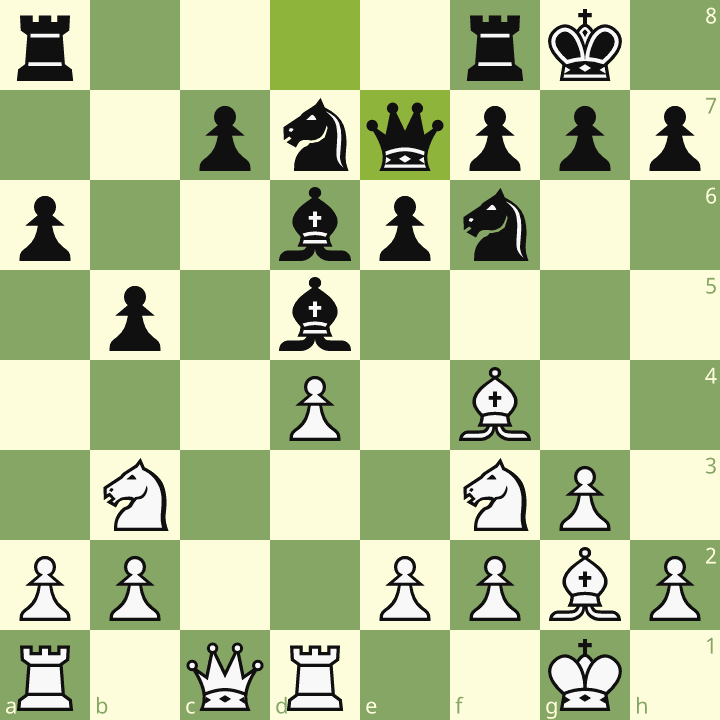
Think about the famous Kasparov vs. Kramnik (2000) 0.5-0.5 match. Kramnik revived the Berlin Defense to force massive early trades, achieving complete Static Equality and neutralizing Kasparov’s legendary attacks.
Can you find a move to break the wall Kramnik has built by turn 15?
https://lichess.org/study/cxhOccFB/d2XI9KOA#30
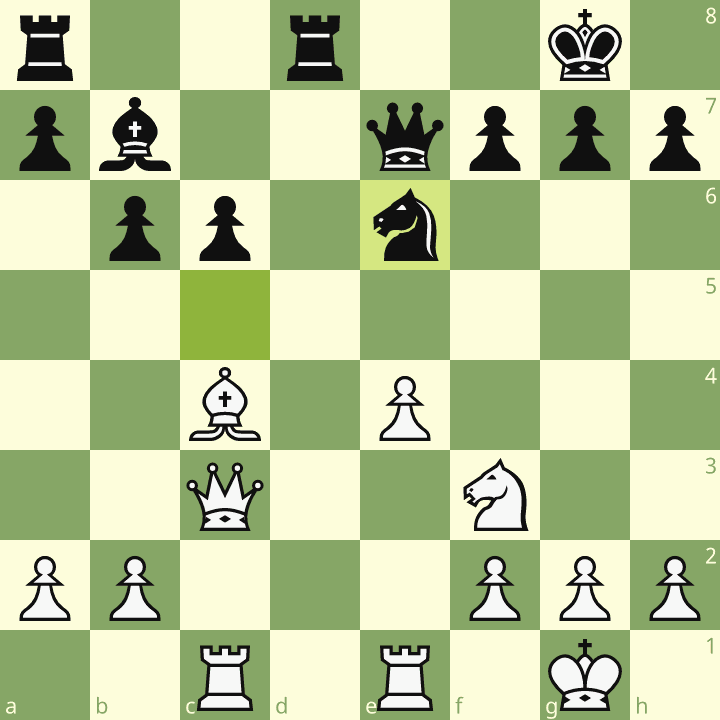
Conversely, look at the active attacks which Marshall used against Capablanca in their famous 1918 Match, in which he sacrificed his D Pawn to open the center, then never let up the pressure.
See if you can find Marshall’s plan here in Capablanca vs. Marshall, New York 1918, Move 16.
https://lichess.org/study/cxhOccFB/gSS81xxR#32
Puzzles to Practice: Returning to Equality
When you are losing, playing passively guarantees a defeat. You must change the nature of the position without throwing away any chance of winning.
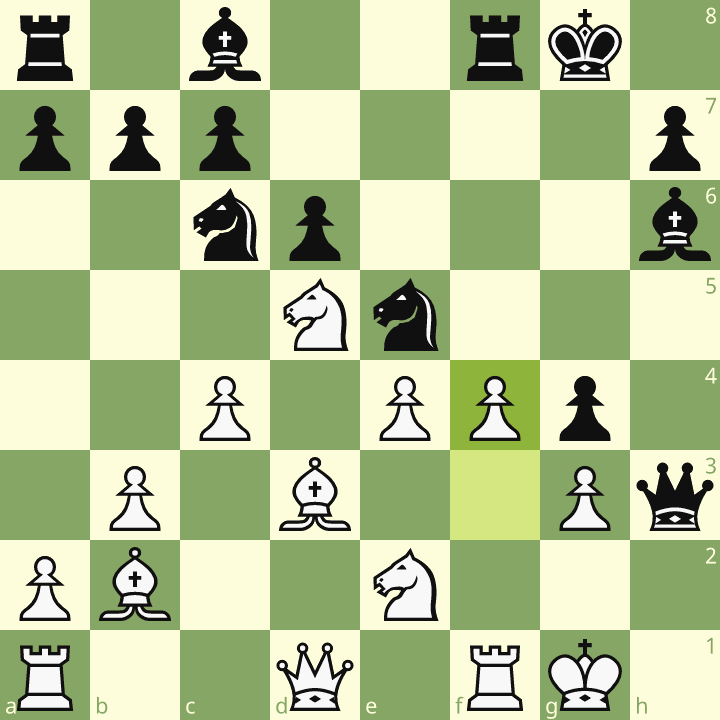
Look at this position from Polugaevsky - Nezhmetdinov (1958) 0-1. How will Nezhmetdinov launch a shocking counter-attack rather than surrendering?
How will Black make a key sacrifice and take apart White’s defenses over the next few moves?
https://lichess.org/study/cxhOccFB/GzYwh9K8#37
If it isn’t possible to actively counter attack, another path back to equality is Simplification until you’ve built a Fortress of pawns and can use your king to shepherd one or more of them to promotion. That means trading your pieces away smartly as you repel your opponent’s attacks.
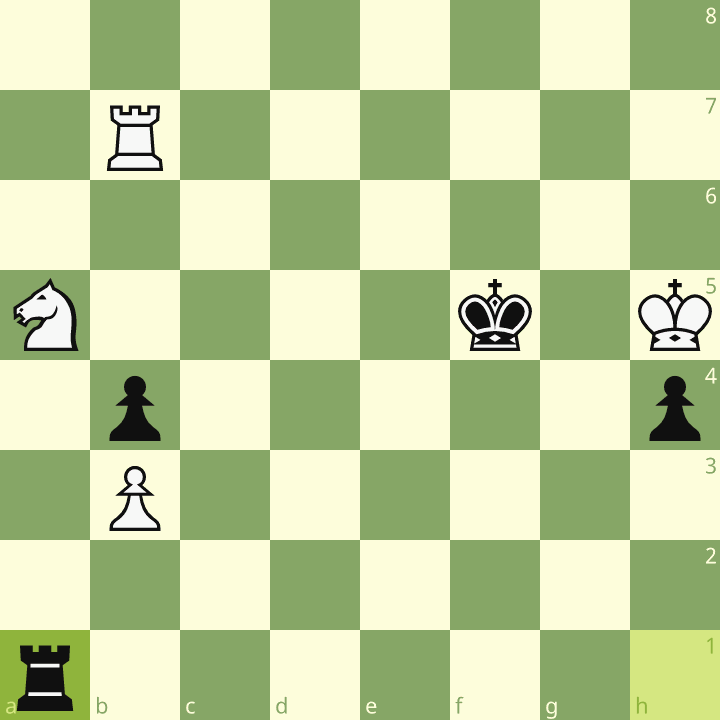
One famous defensive stand happened in Carlsen - Karjakin 2016, Round 3. Karjakin earned the nickname “Russia’s Minister of Defense” by carefully destroying Carlsen’s attacking pieces and repeatedly drawing in endgames where Carlsen might have an advantage, but physically could not break through his opponent’s defenses.
Where might you continue as White from this position, where Magnus played Rb5+ but was unable to break through Karjakin’s defenses before drawing five turns later.
https://lichess.org/study/cxhOccFB/z1cPXVG5#144
The Art of the Swindle
Sometimes a position is entirely lost. Your only hope is a Swindle, a series of moves where you set psychological traps, engage in perpetual checks, or and try to work your king into a position likely to result in stalemate.
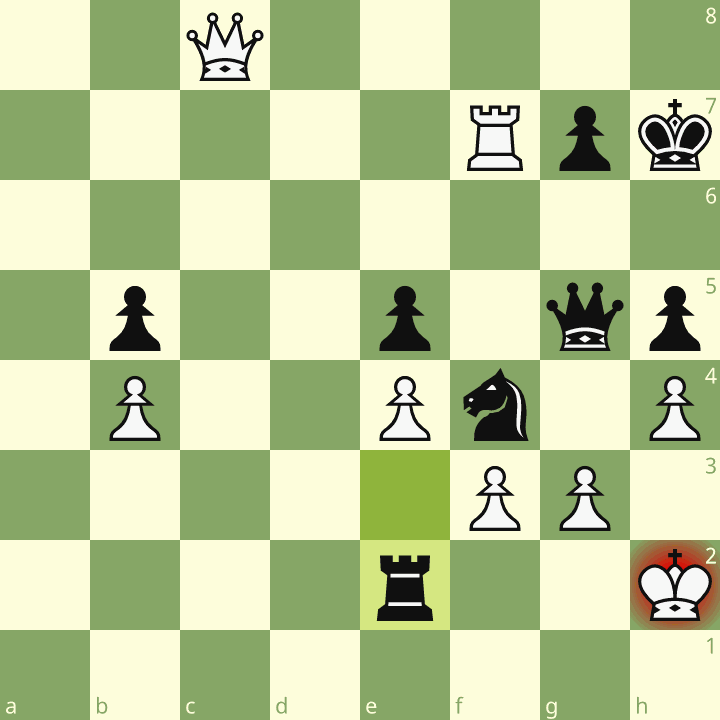
Consider the “Mother of all Swindles” in Evans - Reshevsky (1963) 1/2-1/2. Evans was in check and losing at turn 47, so he began making wild moves which stood little chance of saving his king, but forced Reshevsky to fumble through three more turns before agreeing to a draw.
How would you get out of check and force Black to draw from this positon?
https://lichess.org/study/cxhOccFB/M236FyX2#94
Practice
Practice recognizing when to attack vs. simplify in the Lichess Defensive Puzzles collection.
Practice recovering from a bad position in the Lichess Equality Puzzles collection.
Set up a computer on Chess.com to practice holding the endgame Fortress from Carlsen-Karjakin Game 3.