I’ve been an enthusiastic player of chess for thirty years and a coach in one way or another for nearly twenty. Beginning with a middle school chess club that was a home for players of all skill levels, I moved to teaching chess online in 2020 and have been working on Outschool and YouTube ever since.
Chess is a game of logical deduction, visual observation, and careful planning. It rewards players who are good at memorizing long sequences or recognizing subsets of patterns, but is also a wonderful way of having fun, meeting new people, and building one’s critical thinking skills.
Why Study Chess?
For over five hundred years, people have been fascinated by this simple game played on sixty-four squares of alternating color with six different pieces and a singular objective. Emperors and artists, generals and advocates for world peace have all been drawn to the elegance and brutal logic of this game. Chess has traveled the world from its origins in India to Europe, where it took its modern form and nomenclature around the fifteenth century and along the way it has been adopted by nations as an intellectual battleground on which proxy wars have been fought, most notably by the United States and Soviet Union throughout the Cold War. Even in the twenty-first century, with so may other games to entertain people and the advent of chess programs which can crush even the best players and run on a mobile phone, players young and old dream of becoming the next prodigy.
But why?
Chess is a playground for critical thinking. It’s a place to practice examining a situation from every possible perspective and then, critically, narrowing down my options and making a decision. To play chess at a competitive level requires a degree of study, memorization, and pattern recognition that most people simply don’t have the time or focus for, but to play chess well requires following a few basic guidelines, recognizing patterns, and maintaining calm focus under pressure.
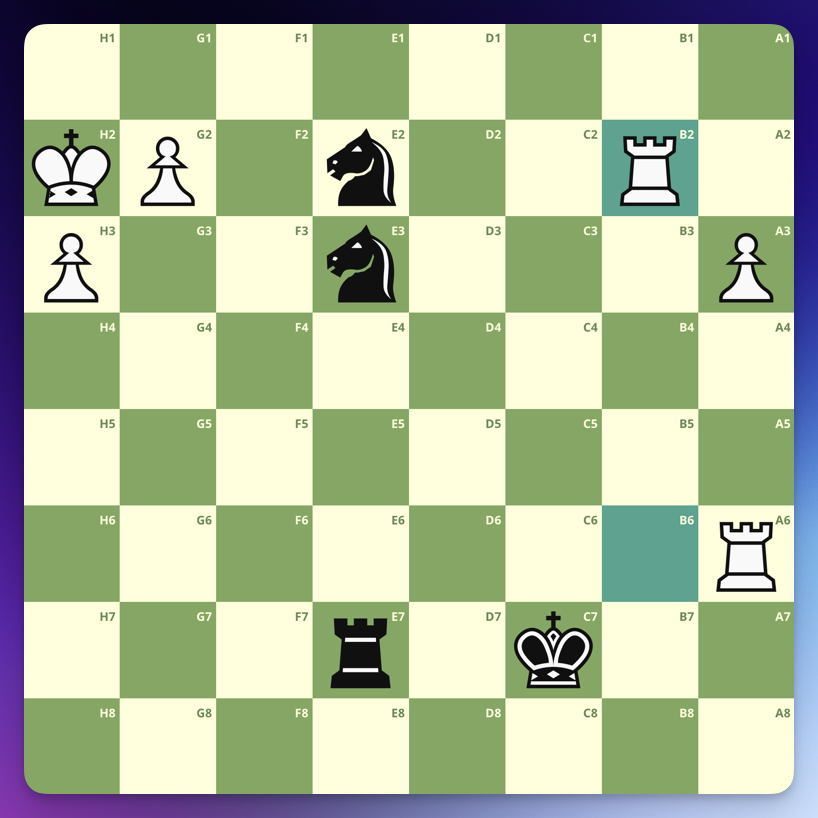
Explore Chess with Linke
Players who can memorize the main lines of a dozen or so openings will often dominate in the early game and carefully evaluating the balance of threatening your opponent’s king, eliminating other pieces, and protecting your own king is essential to winning in the endgame, but rote memorization is not the only path to victory. My teaching style focuses on identifying key patterns on the board and encouraging players to practice predicting opponent’s moves, especially in the mid-game. My goal is always to help beginner and intermediate chess players find the confidence to try a new technique, evaluate how it worked for them, and try again if plans didn’t work out as expected.