Lightbreaker
Objective
This week we are going to explore prisms, especially unconventional ones. The challenge is to go beyond just having a well-lit scene and find ways to break the light, color it, or make it bend and shift in unexpected ways. Try to make the light part of your composition by having significant amounts of bokeh, light rays, prismatic effects, or dapples of rainbows across your scene.
The goal is to use broken light not just as illumination, but as an important part of your composition. Treat it as the subject, the leading lines, or the framing element.
Video Guide
Guide
You’ll need to find a subject, set of tools, or camera angle which causes light to break.
Try setting your aperture to a low f/stop or turning on portrait mode to get more lens flares.
A single drop of water on a flashlight lens or phone screen can reveal amazing twists of light.
Even if you can’t get rainbow effects, how do plastic soda bottles or desk organizers bend light or create layers of half-shadows.
Glass is more likely to create rainbows. Plastic is more likely to give you colorful light and layered shadows.
Find the Light
Does taking your picture from a severe angle or looking directly into a light source cause (or change) the amount of broken light in your picture?
Does a picture need to be colorful or bright to make strong use of rainbows, prisms, or bokeh?
How does light lead the eye or stop the eye as you look at your your photo?
What happens if you use multiple layers of prisms or glass between your camera and light source? Experiment with putting your subject between the camera and prism or on the far side of the light source.
Examples
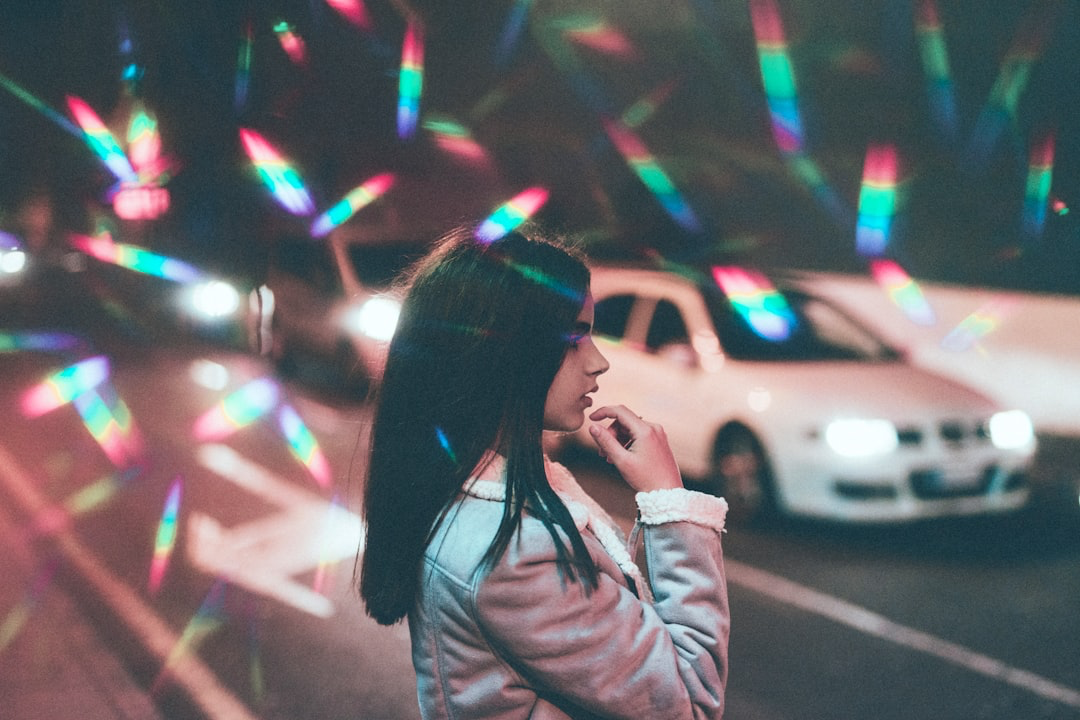
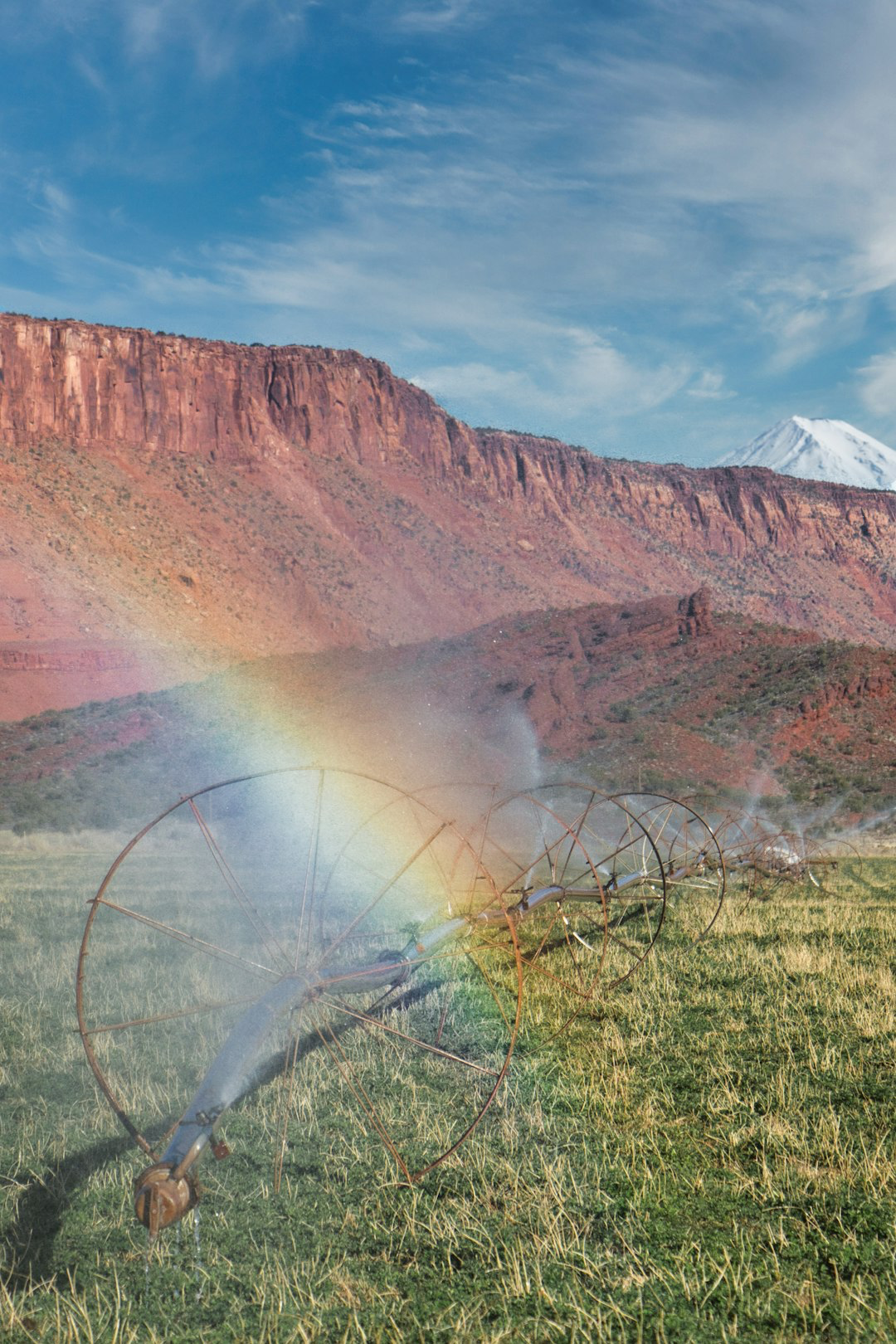
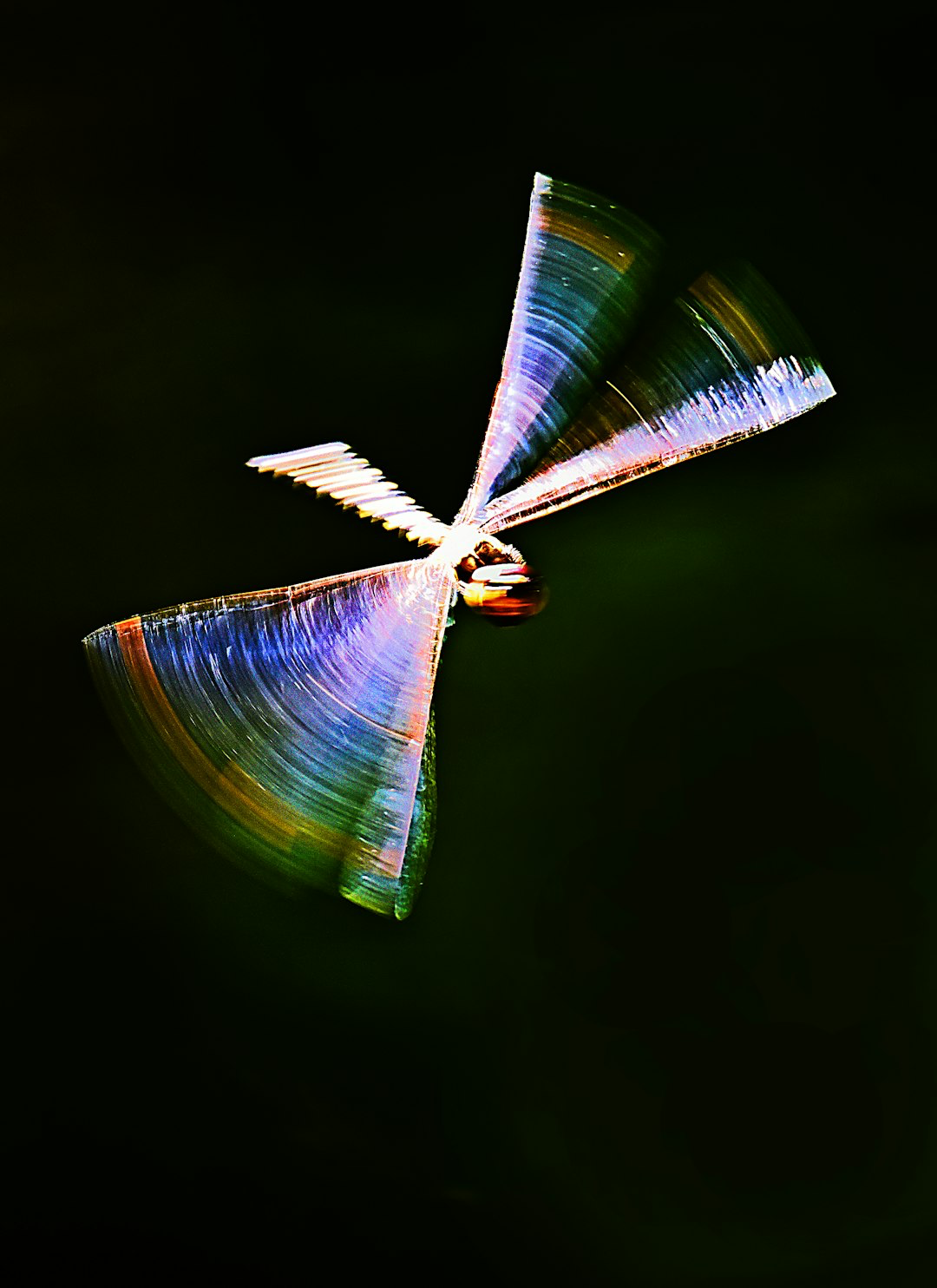
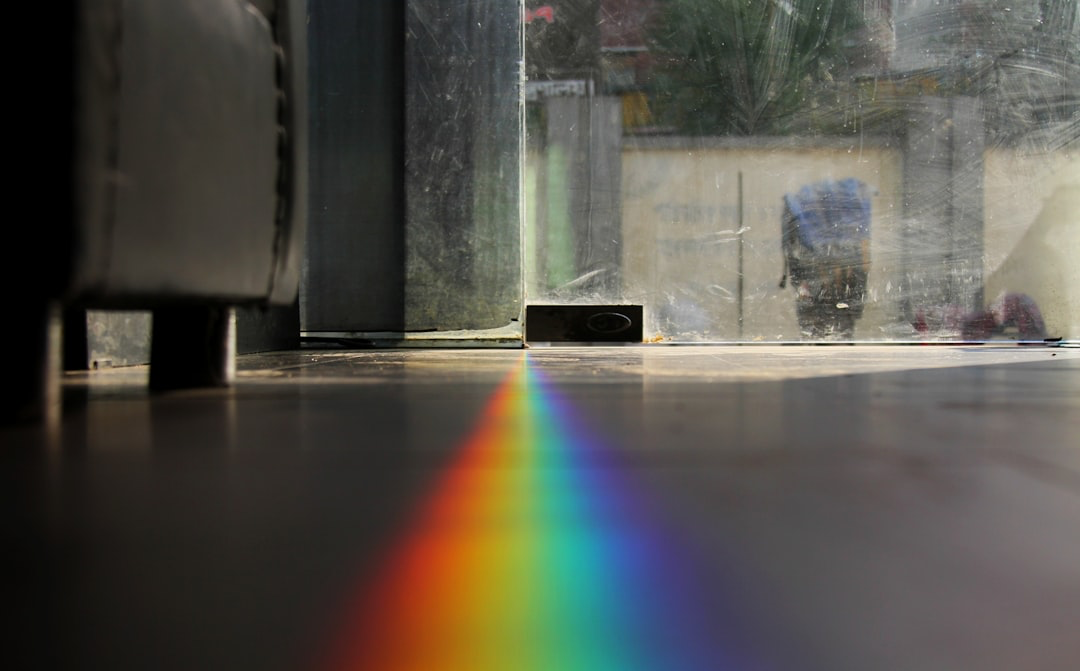
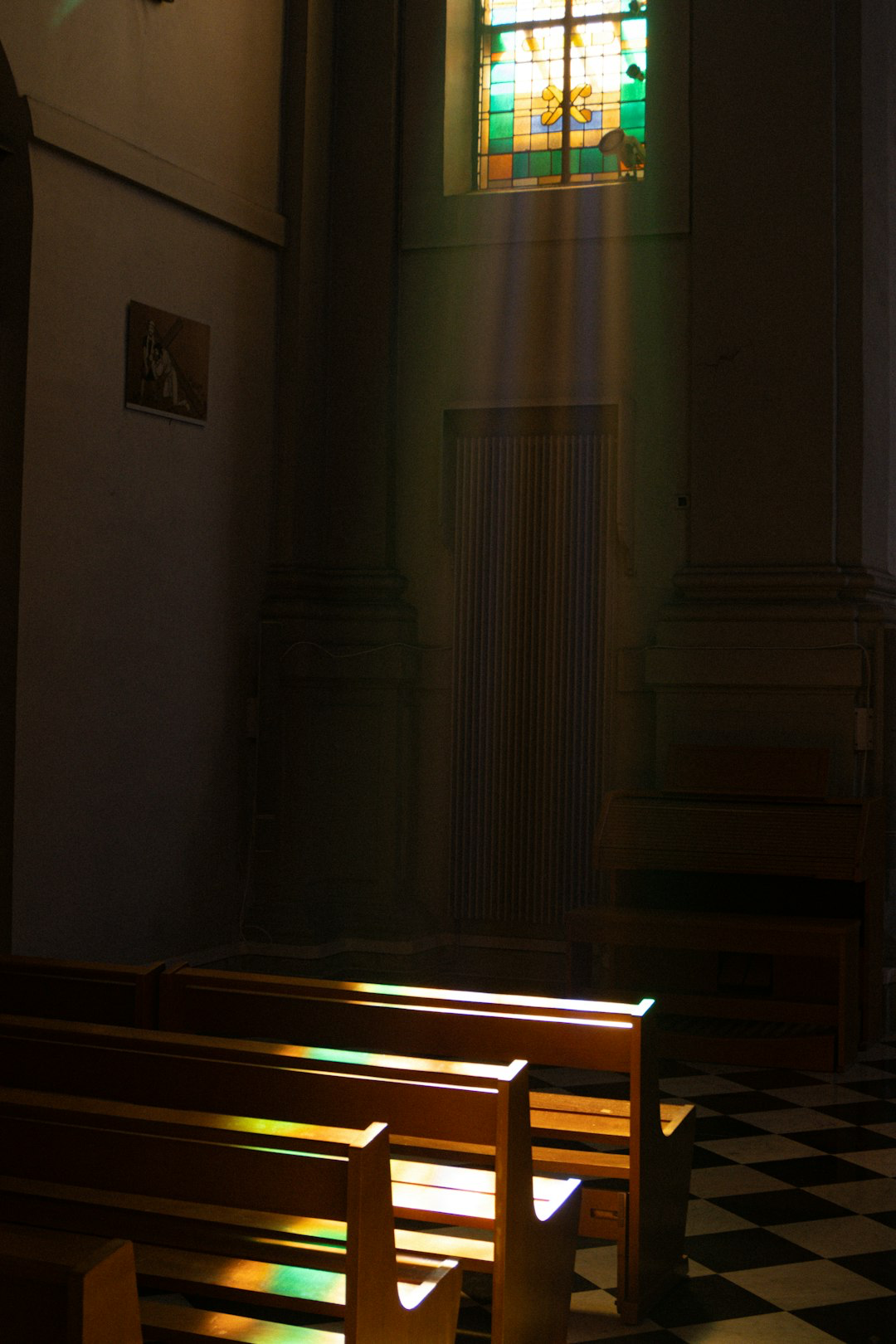
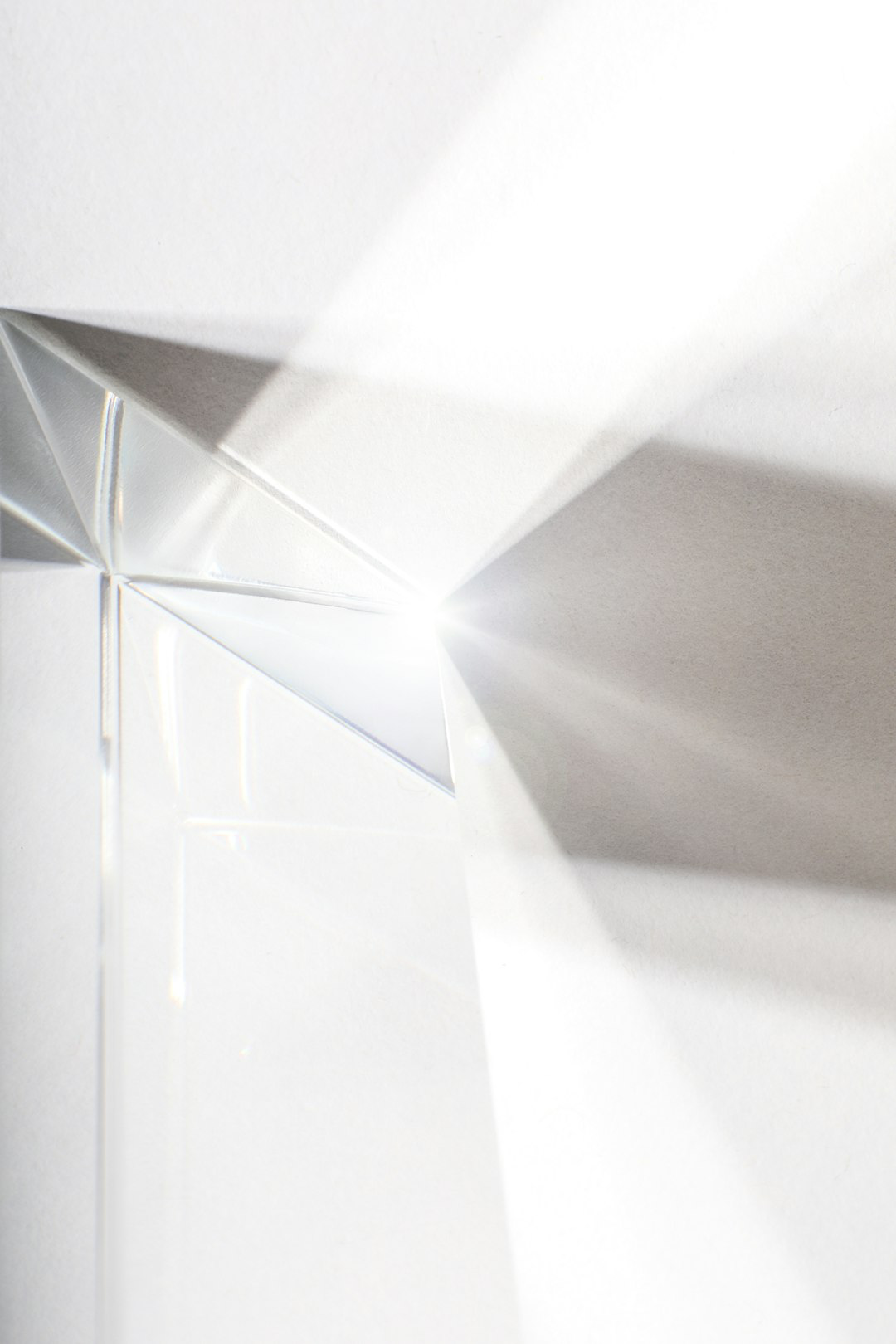
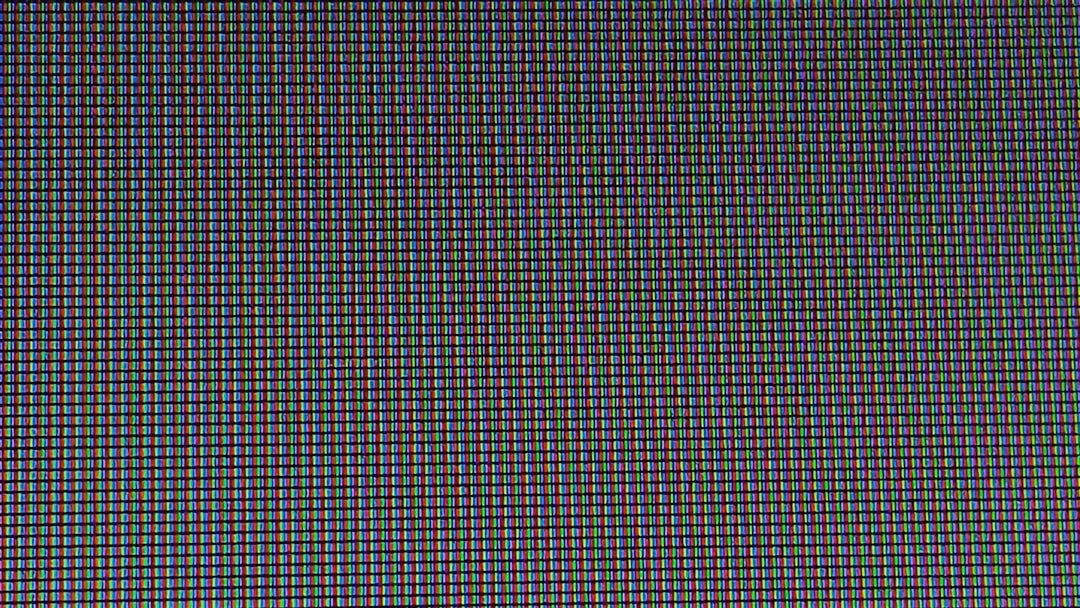
Try to capture photos which explore broken light even more than these examples!
Self Assessment Checklist and Rubric
To get the most out of photography club, ask yourself these questions and aim for High Quality (3) in all of your photos. Remember that it’s ok to share Low Quality photos, especially if you have questions about how to improve them.
▢ Posted multiple photos.
▢ Commented on other’s photos.
▢ Participated in discussion.
| High Quality (3) | Mediocre Quality (2) | Low Quality (1) | |
|---|---|---|---|
| Concept / Theme | The photo clearly features bent, broken, layered, or colored light in a way which defines the image. | The photo has defined light and shadow or bokeh, but it doesn’t quite feel important to the image. | The lighting is relatively flat and unbroken and doesn’t add anything to the story of the photo. |
| General Composition | Broken or bent light is used deliberately as the subject, frame, or other compositional element, guiding the eye through the photo. | The photo attempts to use broken light in the composition, but it feels incidental rather than deliberate. | The photo does not show any control or use of broken or bent light in its composition. |
| Broken Light | The prismatic effects, bokeh, rainbow, or other light bending are prominently featured as the subject or primary supporting element. | The subject it well lit, but the substance of the light doesn’t contribute the photo. | The broken light is weak, accidental, or absent. |
| Originality | The photographer has combined their interpretation of the theme with deliberate choices to present a captivating image. | The photographer attempted to find a unique perspective on broken or bent light. | The photo is dull or derivative. |