Basic Attraction in Chess
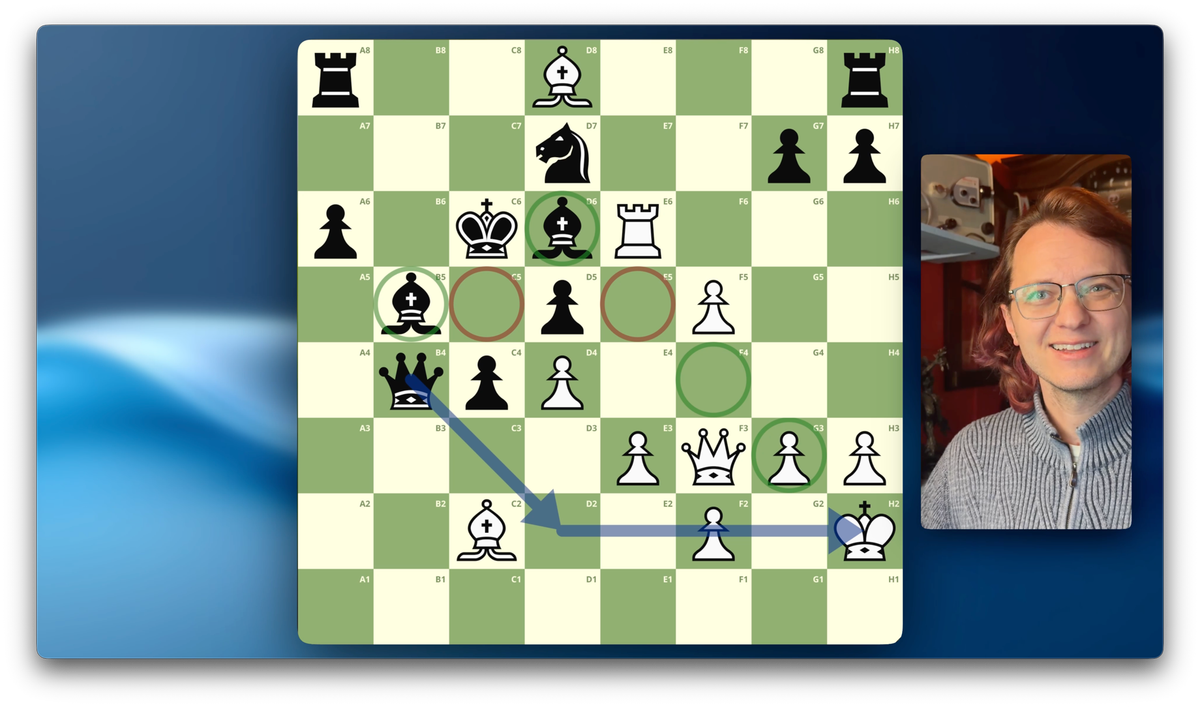
Sometimes called a decoy, attraction is one of the most satisfying tactics in chess because when you pull it off, you're not just making your move, you're making your opponent's move too. Think of it as creating a black hole on the board. A square so dangerous, so loaded with consequence, that your opponent has no choice but to step into it.
What Is Attraction?
Attraction is the tactic of forcing an opponent's piece, often the king, onto a specific square where it becomes vulnerable to a follow-up attack. The most common tool for this is a sacrifice: you offer something your opponent must take and the act of taking it puts them exactly where you want them.
The key word is must. Attraction isn't a suggestion. It's a compulsion. You're not hoping your opponent walks into a trap. You're planning out a position where the trap is the only response. Perhaps not the only legal response, but certainly the only one which will not lead immediately to a worse situation.
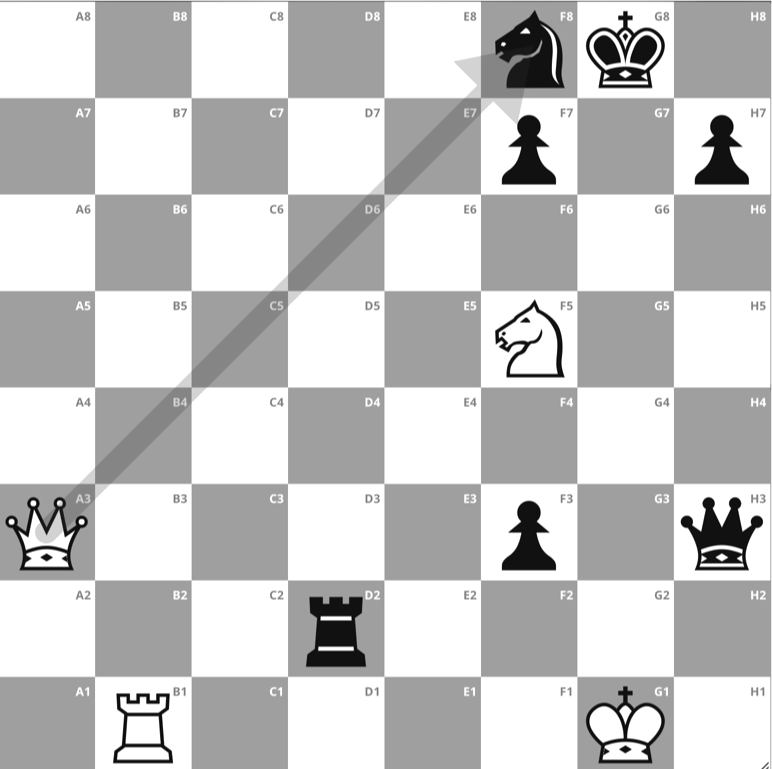
Why the Queen (or Rook)?
If you study attraction puzzles, you'll notice something: the queen shows up as bait more than any other piece because nobody can afford to leave a free queen on the board.
If you offer a bishop or a knight, your opponent might be able to ignore it and take a different piece to improve their position, but a queen sitting on a critical square? That's a gravitational force few can resist, even if she isn't putting them in check. The bigger the sacrifice, the harder it is to say no.
This connects directly to how we think about piece value and trading. When you understand why pieces are worth what they're worth, you can start using that knowledge offensively to protect your material... and to weaponize it.
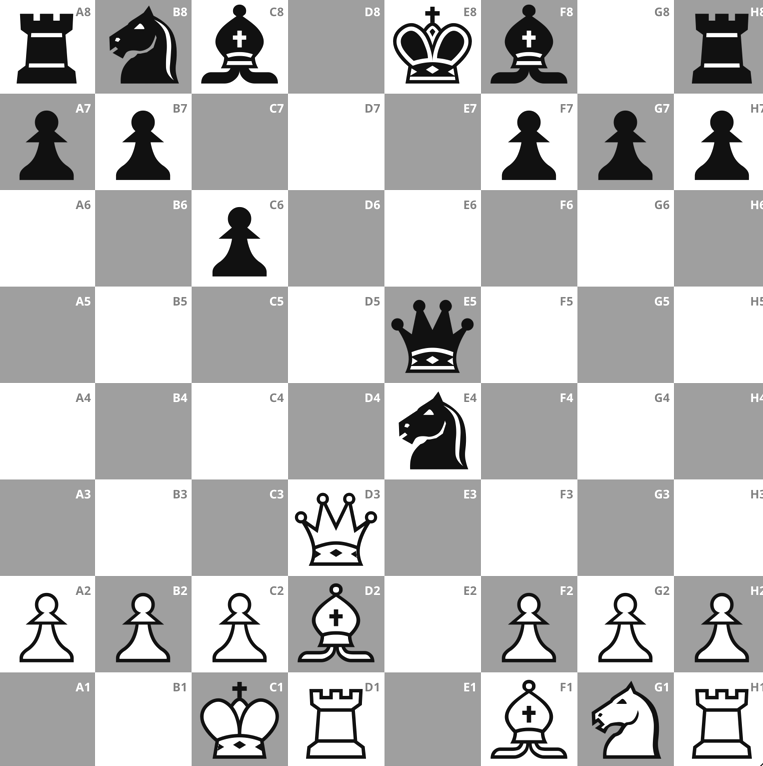
How to Spot Attraction
Before you can use attraction, you need to recognize when the board is asking for it. Consider using these thought patterns to help you spot the opportunities on the board.
- Survey the danger
What is your opponent threatening? In a puzzle, this is often immediate checkmate. In a game, it might be a devastating fork, a promotion, or a crushing attack you can't survive without gaining tempo right now - Identify the target
Which enemy piece do you need to move, and where do you need it to go? Usually this is the king, but it can also be a defending piece that's holding your opponent's position together - Find the square
Where can you place a piece with check, or with a threat so severe it can't be ignored, so your opponent must capture? - Verify the follow-up
Attraction without a plan is just giving material away. Before you sacrifice, try to map out at least two moves ahead. What happens after they take? Is there checkmate? A discovered attack? A skewer?
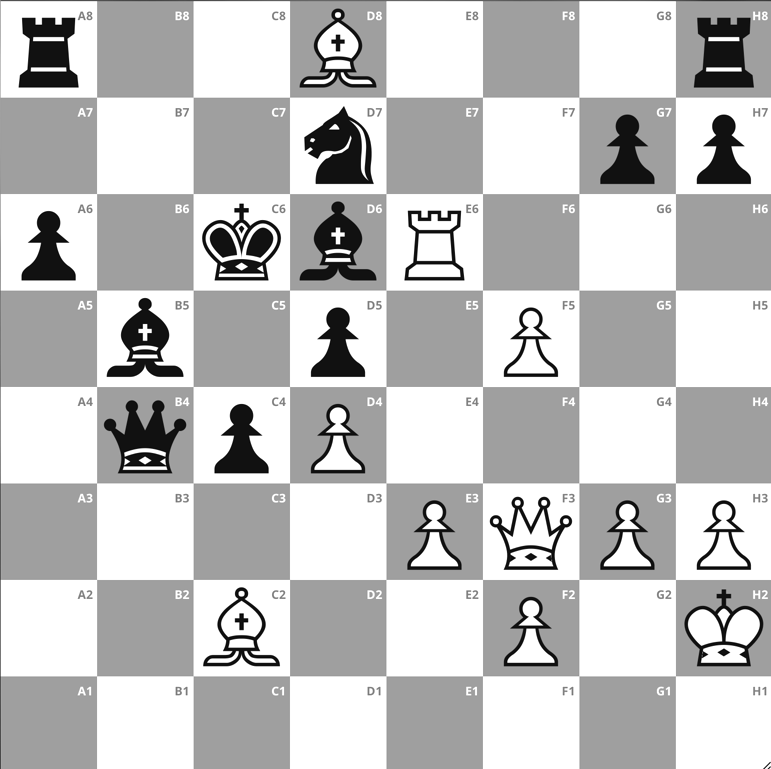
Attraction Beyond the Puzzle
In a puzzle, you know there's a tactic. The position screams at you: find it. But in a real game, attraction is just one of a dozen tools you might reach for. How do you know when it's time?
Look for these signals:
- Your opponent's king is exposed or poorly defended
If the king has limited escape squares, ask yourself: could I limit them further by forcing the king to a worse square? - A key defender is overloaded or pinned
If one piece is holding the position together, can you attract it away from its post? - You need tempo desperately
When your opponent's threats are faster than yours, attraction with check can flip the game your opponent to give up control of the board for a turn or more. - A sacrifice feels scary but the math works
Attraction almost always involves giving up material. If the follow-up is checkmate or significant gain in material advantage, you'll be setting yourself up for the win.
Practice This Week
The Lichess attraction study has ten puzzles. The three above are the first three. Work through puzzles four through ten this week and ask yourself two questions:
Where do you look first?
How do you decide?

Comments ()